
March in Iceland marks the start of spring, but don’t pack your shorts just yet. The weather in Iceland in March sits right between winter and spring. You’ll see longer days and warmer temperatures, but snow and ice are still very much part of the landscape.
This guide covers everything you need to know about Iceland weather in March. We’ll talk about what temperatures to expect, how much daylight you’ll get, and what to pack. You’ll also learn how March weather affects popular activities like seeing the northern lights and exploring ice caves.
What to Expect from Iceland Weather in March
March weather in Iceland can surprise you. Some days feel like winter is hanging on tight. Other days give you a taste of spring. The key is being ready for both.
Temperature Ranges
Daytime temperatures in March usually stay between 1°C and 5°C (34°F to 41°F). That’s around Reykjavik and other coastal areas. The highlands and northern regions stay colder. Nighttime temperatures often drop below freezing, usually between -2°C and 2°C (28°F to 36°F).
These temperatures mean you’ll need warm clothes during the day. And you’ll definitely need them at night. The good news is March is warmer than the deep winter months. But it’s still cold enough that you need to dress properly.
Daylight Hours
One of the best things about visiting Iceland in March is the daylight. You get about 11 to 12 hours of daylight by the end of the month. That’s a huge change from the short winter days.
Early March gives you about 10 hours of daylight. By late March, you’re getting close to 13 hours. The sun rises around 7:30 AM and sets around 7:30 PM by month’s end. This extra daylight makes a big difference for sightseeing and outdoor activities.
Precipitation and Weather Patterns
March brings a mix of snow, rain, and sleet. You might see all three in one day. Snow is still common, especially in the first half of the month. Rain becomes more frequent as March goes on.
Wind is always a factor in Iceland. March can be quite windy, with gusts that make the temperature feel colder than it actually is. The weather can change fast too. You might start the day with sunshine and end it in a snowstorm.
Regional Weather Differences in March
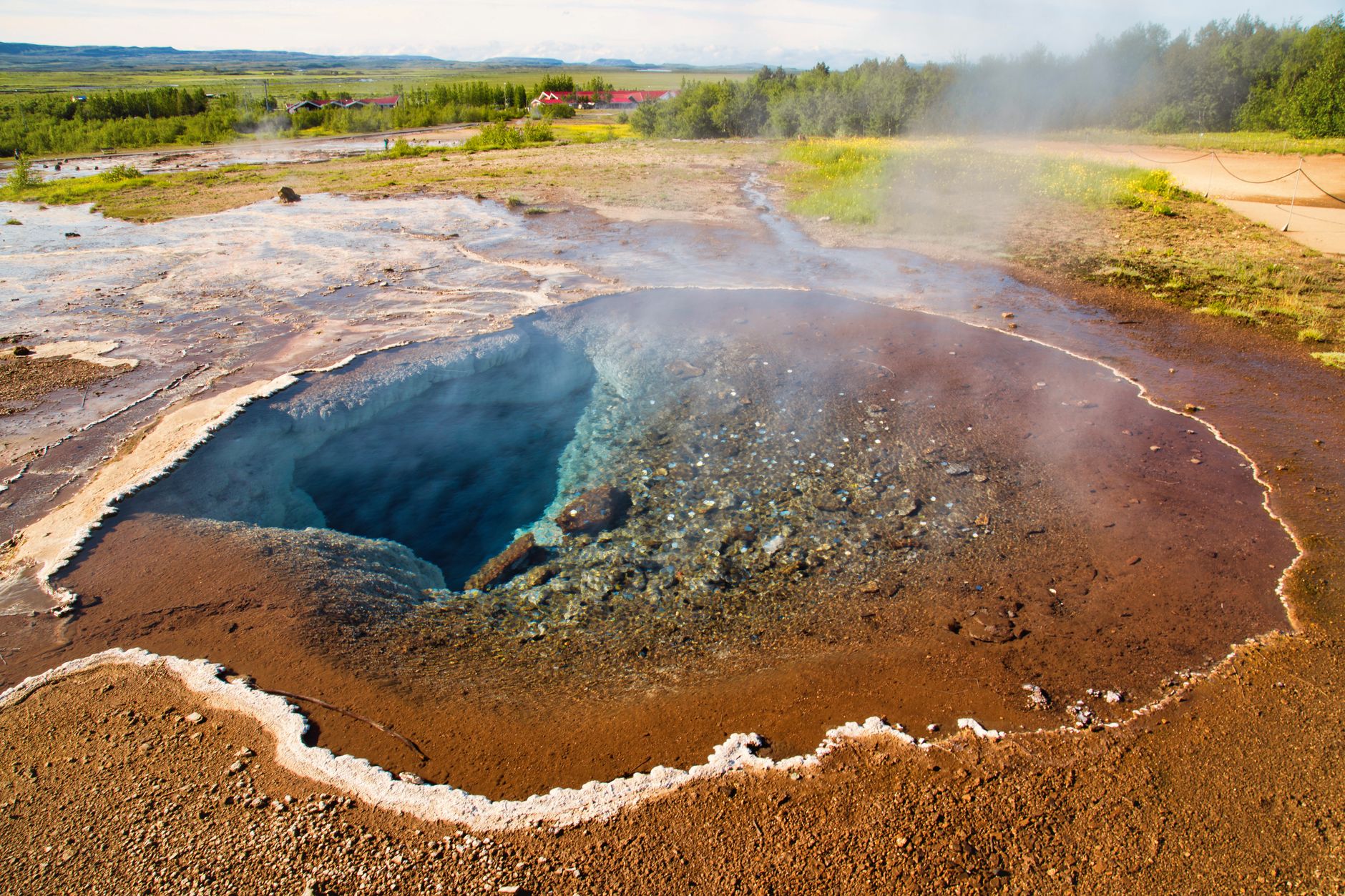
Iceland’s weather varies quite a bit depending on where you are. The coast tends to be milder than inland areas. And the south is usually warmer than the north.
Reykjavik and Southwest Iceland
Reykjavik has the mildest weather in March. Daytime temperatures often reach 3°C to 5°C (37°F to 41°F). The city gets less snow than other parts of Iceland. But you’ll still see some snowy days.
The Golden Circle area has similar weather to Reykjavik. Geysir, Gullfoss, and Thingvellir National Park are all accessible in March. Roads are usually clear, though you might hit some icy patches.
South Coast
The south coast gets more precipitation than Reykjavik. Places like Vik and the area around Jokulsarlon glacier lagoon see more snow and rain. Temperatures are similar to Reykjavik, but the weather feels more intense.
The famous waterfalls along the south coast look amazing in March. Seljalandsfoss and Skogafoss often have ice formations around them. But be careful of slippery paths and viewing areas.
North Iceland
Northern Iceland stays colder in March. Akureyri and the surrounding areas see daytime temperatures around 0°C to 3°C (32°F to 37°F). Snow is more common here than in the south.
Lake Myvatn and the northern attractions are still accessible. But you’ll need to be more prepared for winter conditions. The roads can be icy, and weather can change quickly.
Westfjords
The Westfjords get some of the most challenging weather in March. This remote region sees heavy snow and strong winds. Many roads in the Westfjords close during winter and might not open until April or May.
If you’re planning to visit the Westfjords in March, check road conditions carefully. A local travel specialist can help you understand which areas are accessible and safe to visit.
Northern Lights in March
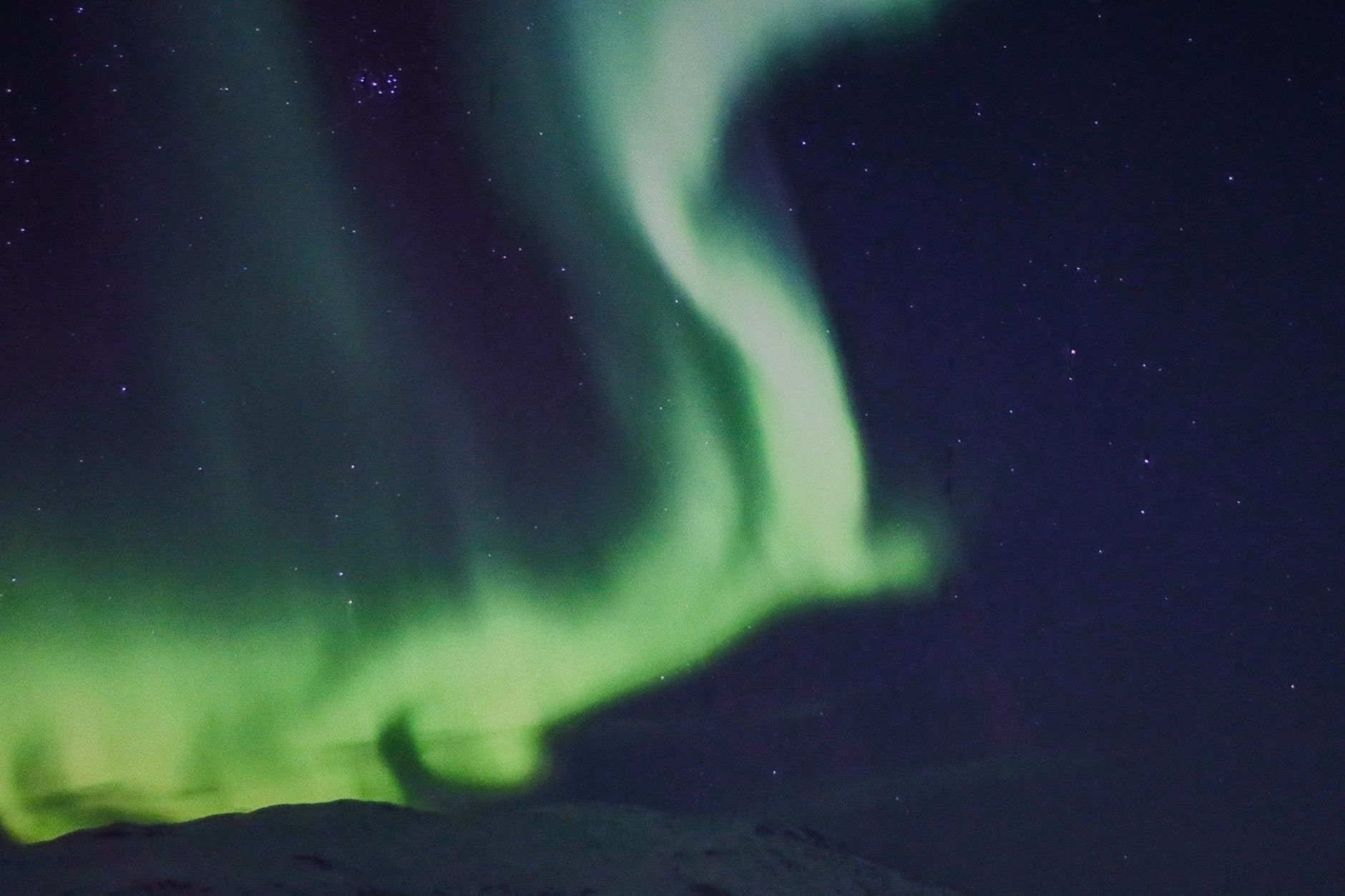
March is still a good month for seeing the northern lights in Iceland. You have about 10 to 11 hours of darkness in early March. That gives you plenty of time for aurora hunting.
The northern lights are most visible between September and March. So March is basically your last chance to see them before the nights get too short. The best viewing time is usually between 9 PM and 2 AM.
Cloud cover can be a challenge in March. The weather is often cloudy or stormy. But when you get a clear night, the northern lights can be amazing. The longer nights in early March give you more chances to see them.
For the best northern lights experience, you’ll want to get away from city lights. A local travel specialist can arrange tours that take you to the best viewing spots. They also know how to read weather patterns and find clear skies.
Daylight and Sunrise/Sunset Times

The changing daylight in March is one of the month’s highlights. You’ll notice the days getting longer week by week. This extra light makes a huge difference for your trip.
Early March
At the start of March, sunrise is around 8:00 AM and sunset is around 6:30 PM. That gives you about 10.5 hours of daylight. It’s enough time to see several attractions in one day.
Mid-March
By mid-March, you’re getting about 11.5 hours of daylight. Sunrise moves to around 7:45 AM and sunset to around 7:15 PM. The extra hour of light opens up more possibilities for your daily plans.
Late March
The end of March brings nearly 13 hours of daylight. Sunrise is around 7:15 AM and sunset around 7:45 PM. This feels much more like spring, and you have plenty of time for activities.
The spring equinox happens around March 20th. After that, days get longer faster. You’ll really notice the difference if you’re staying for more than a week.
What to Pack for Iceland in March
Packing for Iceland in March means preparing for winter conditions with a hint of spring. You’ll need warm, waterproof clothes that you can layer. The weather can change fast, so being ready for anything is key.
Essential Clothing Items
Start with a good base layer. Merino wool or synthetic materials work best. They keep you warm even when wet. Avoid cotton base layers – they stay wet and cold.
Your mid-layer should be insulating. A fleece jacket or down vest works well. You want something you can add or remove as the temperature changes.
The outer layer is crucial. You need a waterproof, windproof jacket. Iceland’s weather is wet and windy. A good rain jacket will be your best friend. Make sure it has a hood too.
For your legs, bring waterproof pants. You can wear them over regular pants or thermal underwear. Many hiking trails and outdoor attractions will be wet or muddy.
Footwear
Good boots are essential for Iceland in March. You need something waterproof with good grip. Ice and snow make surfaces slippery. Many visitors bring microspikes or crampons for extra traction on icy paths.
Your boots should be warm too. Temperatures below freezing mean your feet will get cold fast. Insulated, waterproof hiking boots are your best choice.
Bring warm socks too. Wool socks keep your feet warm even if they get damp. Pack extra pairs – wet feet are miserable in cold weather.
Accessories
A warm hat is a must. You lose a lot of heat through your head. A wool or fleece hat that covers your ears works best. Some people bring a balaclava for really cold or windy days.
Gloves are just as important. Waterproof gloves with good grip help you handle cameras and equipment. Some people bring liner gloves too for extra warmth.
A scarf or neck gaiter protects your neck from wind. This small item makes a big difference in comfort. Choose something that won’t blow away in strong wind.
Sunglasses might seem odd for March in Iceland, but you’ll need them. Snow reflects sunlight and can be very bright. The low sun angle can also be intense.
Special Gear
If you’re planning to visit ice caves or do winter activities, you might need special gear. Many tour companies provide helmets and crampons. But check what’s included before you pack.
A good camera bag or waterproof case protects your electronics. Iceland’s weather can be hard on cameras and phones. Keep batteries warm too – cold weather drains them fast.
A small backpack for day trips is useful. You’ll want to carry extra layers, snacks, and water. Choose something waterproof or bring a rain cover.
Activities and Attractions in March Weather
March weather affects what you can do in Iceland, but most major attractions stay open. Some activities are actually better in March than in summer. Others require more planning and preparation.
Accessible Year-Round Attractions
The Golden Circle is fully accessible in March. Thingvellir National Park, Geysir, and Gullfoss waterfall are all open. The roads are usually clear, though you might hit some ice.
Gullfoss can be especially beautiful in March. Ice formations around the waterfall create amazing shapes. But be extra careful on the viewing platforms – they can be very slippery.
The Blue Lagoon operates year-round. Soaking in hot geothermal water while snow falls around you is a unique experience. The contrast between the warm water and cold air feels amazing.
Reykjavik’s attractions are all open in March. The city’s museums, churches, and cultural sites don’t depend on weather. It’s a good place to spend time if the weather turns bad.
Ice Caves and Glacier Tours
March is one of the last months for ice cave tours. These natural caves form in winter and start to melt as spring arrives. The caves are usually at their most stable in March.
Vatnajokull National Park has several ice caves that operate through March. The blue ice formations are incredible. But these tours require good weather and safe conditions.
Glacier tours also run in March. You can walk on glaciers or take snowmobile tours. The snow conditions are often good for these activities. But weather can cancel tours, so build some flexibility into your plans.
Northern Lights Tours
March is still northern lights season, but it’s the end of the season. You have good darkness in early March, but nights get shorter as the month goes on.
Northern lights tours run most nights when weather allows. Cloud cover is often a challenge in March. But when you get clear skies, the aurora can be amazing.
Some tours combine northern lights viewing with other activities. You might visit hot springs or go on a glacier walk during the day, then hunt for aurora at night.
Highland Access
Most highland roads close in winter and don’t reopen until May or June. The F-roads that lead to places like Landmannalaugar are not accessible in March. Snow and ice make these routes dangerous.
But some highland areas near the coast might be reachable. A local travel specialist can tell you what’s possible during your visit. They know current road conditions and can suggest alternatives.
Whale Watching
Whale watching season starts to pick up in March. Some tours run from Reykjavik harbor. You might see minke whales, white-beaked dolphins, or harbor porpoises.
The weather can make whale watching challenging in March. Rough seas and cold temperatures make boat trips less comfortable. But if you dress warmly and the weather cooperates, it can be rewarding.
Road Conditions and Driving in March
Driving in Iceland in March requires winter driving skills and preparation. Roads can be icy, snowy, or wet. Weather conditions change fast, and some routes might close without warning.
Main Roads
The Ring Road (Route 1) stays open year-round. But sections can be icy or have reduced visibility. The road between Reykjavik and the main attractions is usually passable.
Winter tires are required by law from November through April. Most rental cars come with winter tires during this period. But check with your rental company to be sure.
Secondary Roads
Smaller roads can be more challenging in March. Some might be closed due to snow or ice. Always check road conditions before you drive. The Icelandic Road Administration website has current information.
Mountain passes can close quickly when weather changes. If you’re planning to drive to places like the Westfjords, have backup plans. Weather can strand you for days.
Driving Tips
Drive slowly and leave extra space between cars. Ice can be invisible, especially on bridges and shaded areas. If you’re not used to winter driving, consider joining a guided tour instead.
Keep emergency supplies in your car. Bring extra food, water, warm clothes, and a phone charger. If you get stuck, these supplies could save your life.
Tell someone your travel plans. If you don’t arrive when expected, they can alert authorities. This is especially important if you’re driving to remote areas.
Travel conditions can change – we recommend confirming road conditions and weather forecasts with a local specialist before your trip.
Comparing March to Other Months
Understanding how March compares to other months helps you decide if it’s the right time for your Iceland trip. Each season has advantages and challenges.
March vs February
Iceland in February is colder and has shorter days. March gives you more daylight and slightly warmer temperatures. But February might have better northern lights viewing due to longer nights.
March has more variable weather than February. You might see more rain and slush in March, while February is more consistently snowy.
March vs April
Iceland in April brings more spring-like weather. April has longer days and warmer temperatures. But March might be better for winter activities like ice caves.
April sees the end of northern lights season. If seeing the aurora is important to you, March gives you a better chance.
March vs May
Iceland in May is much warmer and has very long days. May opens up more highland areas and hiking opportunities. But you’ll miss the winter activities that make March special.
May is also busier with tourists. March gives you a quieter experience with fewer crowds at popular attractions.
Tips for Families Traveling in March
Families can have a great time in Iceland in March, but extra planning helps. The weather requires good preparation, and some activities might not be suitable for young children.
Kid-Friendly Activities
The Blue Lagoon welcomes families and has areas suitable for children. The warm water feels great in cold weather. But supervise children carefully – the water is hot in some areas.
Reykjavik has many indoor attractions perfect for families. The National Museum, Maritime Museum, and various art galleries offer shelter from bad weather.
Some whale watching tours welcome families. But consider your children’s ages and comfort with cold, potentially rough conditions.
Safety Considerations
Keep children close at waterfalls and viewpoints. Ice and snow make surfaces very slippery. Many viewing areas don’t have barriers.
Dress children in bright colors so they’re easy to spot. The winter landscape can make it hard to see people wearing dark clothes.
Pack extra clothes for children. They get cold faster than adults and might not tell you until they’re very uncomfortable.
Practical Tips
Many restaurants in Reykjavik are family-friendly. But dinner times tend to be later in Iceland. Plan accordingly if you have young children.
Car seats are required for children in Iceland. Most rental companies provide them, but book in advance to ensure availability.
Consider staying in Reykjavik as your base. It’s easier to find family amenities in the city. You can take day trips to attractions from there.
Planning Your March Iceland Trip
A successful March trip to Iceland requires good planning and flexibility. Weather can change plans quickly, so having backup options helps.
Best Time Within March
Early March still feels like winter. You get good northern lights viewing but shorter days. Late March feels more like spring with longer days but less reliable aurora viewing.
Mid-March often offers the best balance. You get decent daylight hours and still have chances for northern lights. Weather is variable but not as harsh as early winter.
How Long to Stay
A week gives you time to see the main attractions and adjust for weather delays. Five days is the minimum for a good Iceland experience. Two weeks lets you explore more remote areas if weather permits.
Build buffer days into your schedule. Weather can cancel tours or make driving impossible. Having extra time means you won’t miss everything if conditions turn bad.
Working with Local Specialists
A local travel specialist understands March weather patterns and can adjust your itinerary as needed. They know which activities are most likely to run and have backup plans ready.
Local specialists also have relationships with tour operators and can often rebook activities if weather cancels your original plans. This flexibility is valuable in March when weather is unpredictable.
They can also help with practical things like appropriate gear rental and current road conditions. Their local knowledge makes a big difference for March travel.
Frequently Asked Questions
Is March a good time to visit Iceland?
March can be a great time to visit Iceland if you’re prepared for winter conditions. You’ll get longer days than in deep winter, and you still have chances to see northern lights. The weather is variable, so pack appropriately and stay flexible with your plans.
What should I pack for Iceland in March?
Pack for winter conditions with waterproof outer layers. You’ll need warm base layers, insulating mid-layers, and waterproof jacket and pants. Good boots with grip are essential. Don’t forget warm hat, gloves, and scarf. The weather can change quickly, so layering is key.
Can I see northern lights in Iceland in March?
Yes, March is still northern lights season in Iceland. You have good darkness in early March, though nights get shorter as the month progresses. Cloud cover can be challenging, but clear nights offer great aurora viewing opportunities. Late March is your last chance before nights become too short.
What’s the weather like in Iceland in March?
Iceland weather in March is transitional between winter and spring. Expect daytime temperatures between 1°C and 5°C (34°F to 41°F) and nighttime temperatures often below freezing. You’ll see a mix of snow, rain, and sleet. Wind is common and can make temperatures feel colder.
Are all attractions open in Iceland in March?
Most major attractions stay open year-round, including the Golden Circle sites and Blue Lagoon. However, highland roads are closed, and some remote areas may be inaccessible. Ice cave tours are available but weather-dependent. Always check current conditions before traveling to any attraction.