
Flying from Denver to Iceland opens the door to one of Europe’s most unique destinations. The Land of Fire and Ice waits with glaciers, hot springs, and the Northern Lights. But getting there from the Mile High City takes some planning.
This guide covers everything you need to know about Denver to Iceland flights. We’ll also look at flying from Minneapolis (MSP) to Iceland as another great option for Midwest travelers. You’ll learn about airlines, routes, and tips to make your journey smooth.
Flight Routes from Denver to Iceland
There are no direct flights from Denver to Iceland. You’ll need at least one stop to reach Keflavik Airport (KEF) near Reykjavik. Most routes take 10 to 14 hours total, including layover time.
Popular Connection Cities
Reykjavik via Boston or New York Icelandair flies direct from Boston and JFK to Reykjavik. From Denver, you can connect through either city. United and Southwest offer good connections to Boston. JetBlue and Delta also serve this route well.
Reykjavik via Minneapolis Delta and Icelandair both fly from Minneapolis to Reykjavik. This route often works well for Denver travelers. You can fly United or Southwest from Denver to Minneapolis, then connect to Iceland.
European Connections You can also connect through European cities like London, Amsterdam, or Copenhagen. These routes take longer but sometimes cost less. KLM, British Airways, and SAS all serve Iceland from their European hubs.
Best Airlines for Denver to Iceland
Icelandair This is Iceland’s national airline. They offer the most flights to Reykjavik from US cities. Their planes are modern and comfortable. The crew knows Iceland well and can give great travel tips.
United Airlines United has good connections from Denver to East Coast cities. From there, you can catch Icelandair to Reykjavik. United’s MileagePlus program also partners with Icelandair.
Delta Air Lines Delta offers smooth connections through Minneapolis and other hubs. Their service is reliable, and they have good partnerships for international travel.
Southwest Airlines For budget-conscious travelers, Southwest can get you to connection cities for less. They fly from Denver to Boston, which connects well with Icelandair.
MSP to Iceland: Your Alternative Route
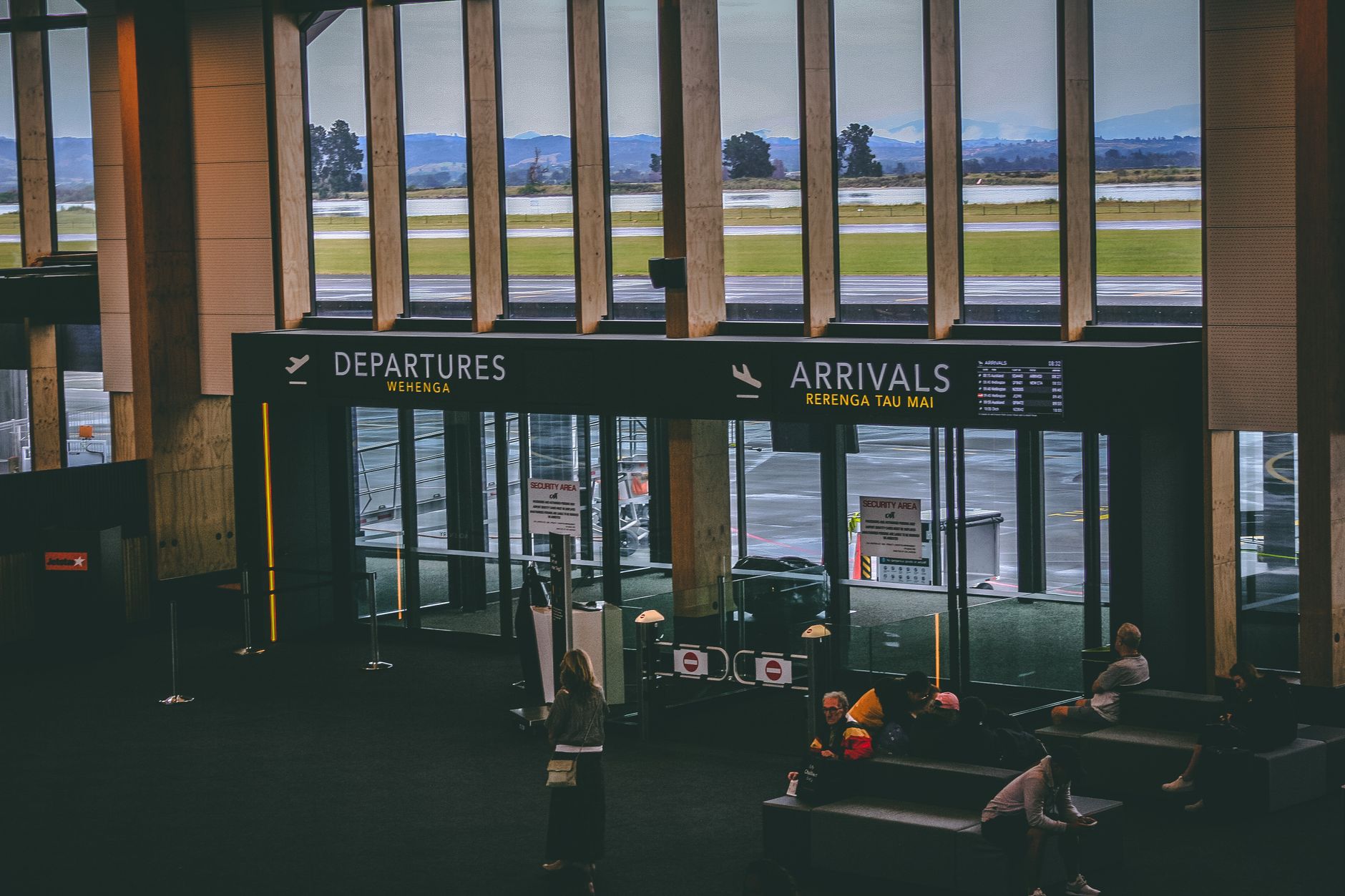
Minneapolis-St. Paul International Airport (MSP) offers one of the best routes to Iceland from the Midwest. Both Delta and Icelandair fly direct from MSP to Keflavik Airport.
Why MSP Works Well
The MSP to Iceland route is popular for good reasons. First, it’s a direct flight that takes about 6 hours and 30 minutes. That’s much faster than connecting through East Coast cities.
Second, Minneapolis has great connections from Denver. United, Southwest, and Frontier all fly this route multiple times daily. The flight from Denver to Minneapolis takes about 2 hours.
Third, MSP is a well-run airport with good facilities. If you have a longer layover, there are plenty of restaurants and shops. The airport also has a good track record for on-time departures.
Delta vs Icelandair from MSP
Delta from Minneapolis Delta’s MSP to Iceland flight runs seasonally from May through September. The plane is usually a Boeing 767 with good entertainment systems. Delta’s service includes meals and drinks on this long route.
Icelandair from Minneapolis Icelandair flies this route year-round. They use Boeing 757 or 767 aircraft. The airline is known for friendly service and good knowledge of Iceland. They also offer free stopovers in Reykjavik if you’re continuing to Europe.
Timing Your Denver to Iceland Trip
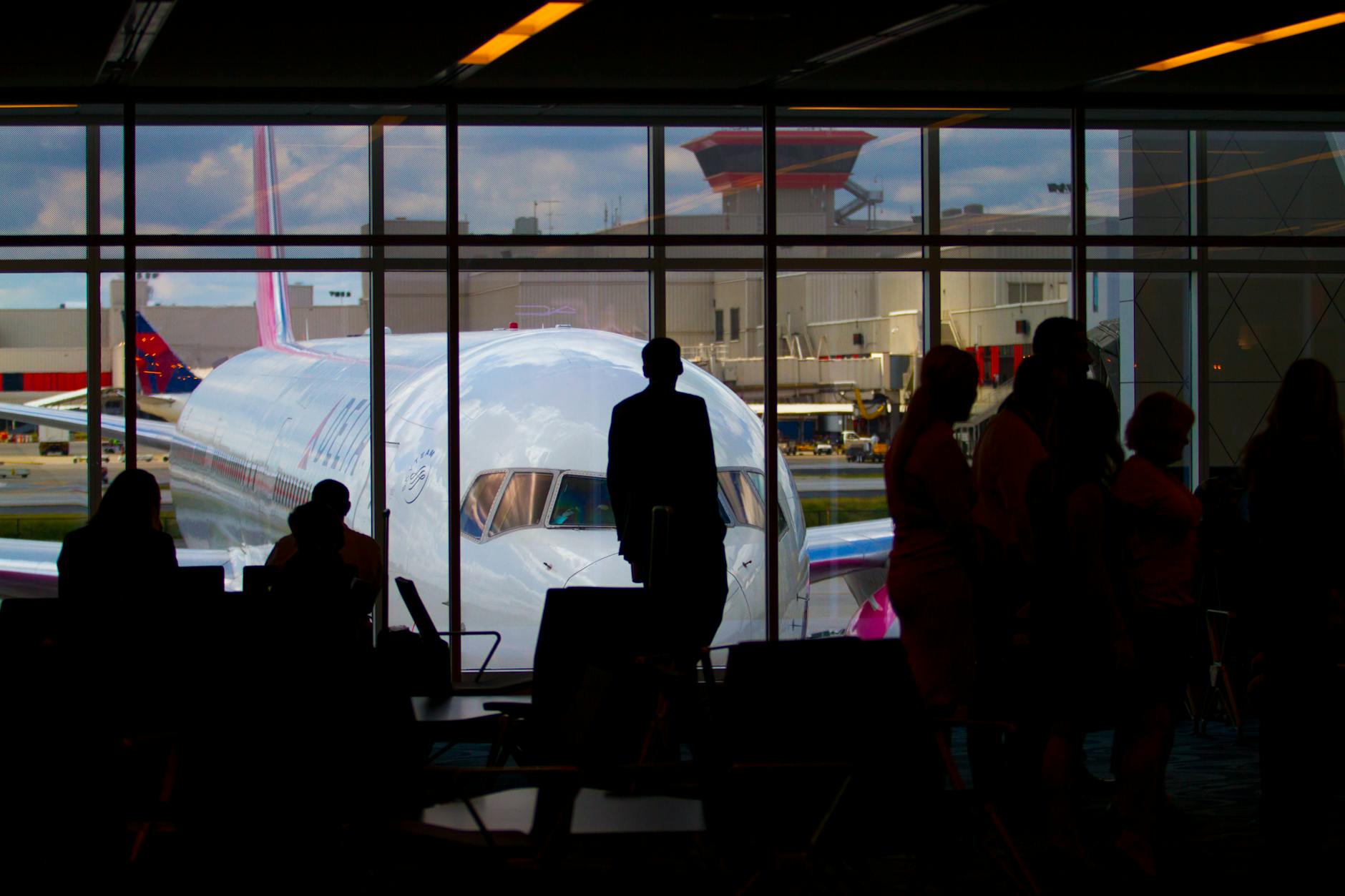
The time of year you travel affects both flight options and what you’ll see in Iceland. Each season offers different experiences and flight schedules.
Summer Travel (June to August)
Summer is peak season for Iceland travel. More airlines add seasonal routes during these months. That means more flight options and sometimes better connections.
The weather is warmest in summer, with temperatures around 50-60°F. You’ll have nearly 24 hours of daylight in June and July. This is perfect for seeing the highlands and doing outdoor activities.
But summer is also the busiest time. Flights cost more, and you’ll need to book early. Hotels and tours fill up quickly too. A local travel specialist can help secure the best options during peak season.
Winter Travel (November to March)
Winter brings fewer flight options but also fewer crowds. Some seasonal routes stop running in winter. But the main routes from Boston, New York, and Minneapolis continue year-round.
Winter is Northern Lights season in Iceland. The dark nights from October through March offer the best chances to see the aurora. You’ll also find ice caves and winter activities that aren’t available in summer.
Winter flights often cost less than summer ones. Hotels and car rentals are also cheaper. Just pack warm clothes and be ready for shorter days.
Shoulder Seasons (April-May, September-October)
Spring and fall offer good middle ground. Flight prices are lower than summer but higher than winter. You’ll have decent weather and fewer crowds.
April and May bring spring flowers and longer days. September and October offer fall colors and good Northern Lights chances. These months are great for photography and outdoor activities.
What to Expect When You Arrive in Iceland

Keflavik Airport sits about 30 miles from Reykjavik. It’s a modern airport with good facilities. Immigration and customs are usually quick for US travelers.
Getting from the Airport to Reykjavik
Airport Buses Flybus and Airport Express run regular buses to Reykjavik. The trip takes about 45 minutes and costs around $25. Buses connect to hotels and the main bus station downtown.
Private Transfers A local travel specialist can arrange private transfers that include stops at the Blue Lagoon or other attractions. This costs more but saves time and adds convenience.
Rental Cars All major car rental companies have desks at Keflavik. But driving in Iceland takes preparation, especially in winter. A travel expert can help you decide if renting a car makes sense for your trip.
First Day Tips
Most flights from the US arrive in the morning. That gives you a full day to start exploring. But jet lag can be tough after the long journey.
Consider spending your first day in Reykjavik. The city is small and walkable. You can see the main sights, try Icelandic food, and adjust to the time zone. Save longer day trips for when you’re more rested.
Many travelers visit the Blue Lagoon on their first or last day. It’s close to the airport and perfect for relaxing after a long flight. A local specialist can time this perfectly with your arrival or departure.
Packing Tips for Your Iceland Flight
Iceland’s weather changes quickly, so pack layers. Even in summer, you’ll need warm clothes for evening and outdoor activities.
Essential Items
Warm Layers Pack thermal underwear, fleece jackets, and a waterproof outer shell. Wool socks and warm hats are also important. Even if you’re traveling in summer, nights can be cool.
Waterproof Gear Iceland gets rain year-round. A good rain jacket and waterproof pants will keep you comfortable. Waterproof hiking boots are also smart for most activities.
Electronics Bring a universal power adapter for Iceland’s European-style outlets. A portable charger is also useful for long days out. If you’re hoping to photograph the Northern Lights, pack a tripod.
What Not to Pack
Don’t pack too many heavy items. Iceland has good outdoor gear shops if you need something specific. Renting gear locally often makes more sense than paying airline fees for heavy bags.
Also, don’t pack too much formal clothing. Iceland is casual, even at nice restaurants. Focus on practical, comfortable clothes that work for outdoor activities.
Making the Most of Your Iceland Trip
Iceland offers experiences you can’t find anywhere else. From glacier hiking to whale watching, there’s something for every type of traveler.
For Families
Iceland is very family-friendly. Kids love the geothermal pools and seeing puffins and whales. The country is safe, and most people speak excellent English.
A local travel specialist can plan activities that work for different ages. They know which tours welcome children and which attractions are too challenging for little ones.
For Couples
Iceland is perfect for romantic getaways. Imagine soaking in hot springs under the Northern Lights or watching the sunset from a black sand beach.
Many couples love the contrast between fire and ice. You can explore ice caves in the morning and relax in geothermal baths in the evening. A specialist can create the perfect romantic itinerary.
For Luxury Travelers
Iceland offers high-end experiences in a rugged setting. Think helicopter tours over glaciers, private Northern Lights hunts, and stays at boutique hotels with amazing views.
The country also has excellent restaurants featuring local ingredients like fresh seafood and grass-fed lamb. A travel expert can arrange exclusive experiences that most visitors never see.
Seasonal Flight Considerations
Different seasons bring different flight patterns and travel experiences. Understanding these helps you plan better.
Peak Summer (June-August)
This is when most airlines add seasonal routes. You’ll have the most flight options and best connections. But you’ll also pay the highest prices.
Summer weather is mild but unpredictable. Pack for temperatures from 40-65°F. Rain is common, so waterproof gear is essential. The long daylight hours mean you can pack more activities into each day.
Winter Months (December-February)
Fewer flights run in winter, but the ones that do often have better deals. Winter is Northern Lights season, which draws many visitors despite the cold.
Pack for temperatures from 20-40°F. Snow and ice are common, especially outside Reykjavik. But winter also brings unique activities like ice cave tours and glacier hiking.
Shoulder Seasons
April-May and September-October offer good compromises. Flight prices are moderate, and weather is decent. You’ll avoid the biggest crowds while still having good activity options.
These months are perfect for photography. Spring brings lupine flowers and waterfalls at full flow. Fall offers clear skies and good Northern Lights viewing.
Travel Tips for Your Journey
Flying to Iceland from Denver or Minneapolis takes planning. These tips help make your journey smoother.
Booking Strategy
Book flights 2-3 months ahead for the best prices. Summer flights fill up early, so book even earlier for June-August travel. Winter flights often have last-minute deals.
Consider flying midweek for better prices. Tuesday and Wednesday departures usually cost less than weekend flights. Also, look at flights that arrive in Iceland on weekdays rather than weekends.
Layover Planning
If you’re connecting through East Coast cities, allow at least 2 hours between flights. International connections can take longer, especially during busy travel times.
Some travelers use longer layovers to explore connection cities. A 6-8 hour layover in Boston or New York gives you time to see the city center. Just make sure you have enough time to get back to the airport.
Jet Lag Management
Iceland is 4-5 hours ahead of Denver (depending on daylight saving time). Start adjusting your sleep schedule a few days before you travel. Try going to bed and waking up an hour earlier each day.
On the plane, set your watch to Iceland time right away. Try to sleep during what would be nighttime in Iceland. Stay hydrated and avoid too much alcohol or caffeine.
Travel conditions can change — we recommend confirming details with a local specialist before your trip.
Frequently Asked Questions
How long does it take to fly from Denver to Iceland?
The total travel time from Denver to Iceland is typically 10-14 hours, including layovers. There are no direct flights, so you’ll need at least one connection. The actual flying time is about 8-10 hours, with layovers adding 2-4 hours depending on your route.
What’s the best route from Denver to Iceland?
The most popular routes connect through Boston, New York, or Minneapolis. The Minneapolis route often works well because both Delta and Icelandair offer direct flights from MSP to Reykjavik. This can be faster than East Coast connections.
When is the cheapest time to fly from Denver to Iceland?
Winter months (November through March) typically offer the lowest flight prices. Shoulder seasons in April-May and September-October also have good deals. Summer flights (June-August) are most expensive but offer the most flight options.
Do I need a visa to travel from the US to Iceland?
US citizens don’t need a visa for tourist visits to Iceland up to 90 days. You just need a valid passport. Make sure your passport doesn’t expire within 6 months of your travel date.
What airlines fly from Minneapolis to Iceland?
Both Delta Air Lines and Icelandair offer direct flights from Minneapolis-St. Paul International Airport (MSP) to Keflavik Airport (KEF) in Iceland. Delta operates seasonally from May through September, while Icelandair flies year-round.