
Choosing the best time of year to go to Iceland depends on what you want to see and do. In fact, each season brings different weather, activities, and experiences. Summer offers long days and green landscapes. Meanwhile, winter brings northern lights and ice caves. Spring and fall, on the other hand, sit somewhere in between.
Iceland sits just below the Arctic Circle. This means the country has big changes between seasons. The weather can be unpredictable any time of year. But each season has its own magic.
Your perfect timing depends on your travel style. For example, do you want to hike in the highlands? Then visit in summer. Want to see the northern lights? Winter is your season. Looking for fewer crowds and good weather? Instead, try spring or fall.
A local travel specialist can help you pick the right time based on what matters most to you. They know which months work best for different activities. They also understand how weather patterns affect travel plans.
Summer in Iceland (June to August)
Summer is the most popular time to visit Iceland. In fact, the weather is warmest and most stable. Additionally, days are long, with almost 24 hours of daylight in June and July.
Weather and Daylight
Temperatures range from 50°F to 60°F (10°C to 15°C) during the day. Nights rarely drop below 45°F (7°C). Rain is common, but storms are less frequent than other seasons.
The midnight sun means you can explore at any hour. In late June, the sun barely sets. Then, by August, you get about 16 hours of daylight. As a result, this gives you more time to see everything.
What You Can Do
All of Iceland opens up in summer. First, the highland roads are accessible. Next, you can drive the full Ring Road without worry. Most importantly, most hiking trails are clear of snow.
Popular summer activities include: – Hiking in the Westman Islands – Exploring the Highlands and F-roads – Whale watching from Reykjavik or Husavik – Visiting all the major waterfalls – Camping and staying in summer houses – Taking boat trips to see puffins
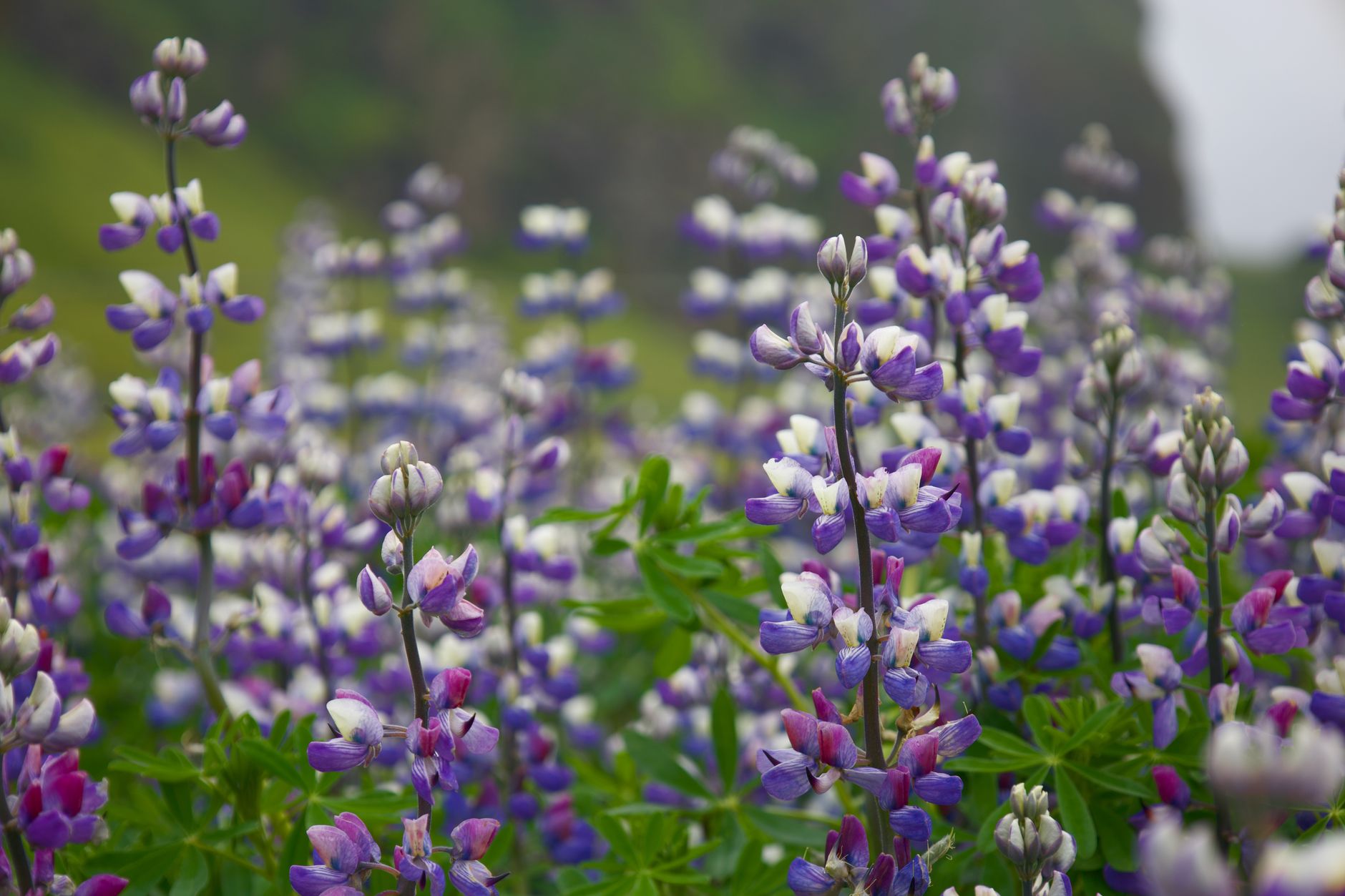
The lupine flowers bloom in June and July. These purple flowers cover the countryside. In fact, they make for great photos and add color to the green landscape.
Crowds and Costs
Summer is peak season. However, this means more tourists and higher prices. Additionally, hotels book up months in advance. As a result, popular spots like the Blue Lagoon get very busy.
Rental cars cost more in summer. Tours and activities also charge peak prices. But you get the most options and the best weather.
For families, summer works well. First, kids are out of school. Also, the weather is mild enough for children. And the long days mean you can pack more into each day.
Who Summer Works For
Summer is perfect if you want to: – Hike in the highlands – Drive the complete Ring Road – See lupine flowers in bloom – Have the most activity options – Travel with young children – Camp or stay in remote areas
Winter in Iceland (December to February)
Winter in Iceland is dark, cold, and magical. In fact, this is northern lights season. Additionally, ice caves open up. So you’ll have a completely different Iceland experience.
Weather and Daylight
Winter temperatures range from 28°F to 38°F (-2°C to 3°C). It’s not as cold as many people think. The ocean keeps temperatures moderate. But wind and rain make it feel colder.
Daylight is limited in winter. In December, you get only 4-5 hours of light per day. January is similar. However, by February, days start getting longer.
Snow is common but not guaranteed. Reykjavik gets some snow most winters. The countryside gets more. But Iceland’s weather changes quickly.
What You Can Do
Winter activities are unique to the season: – Northern lights tours and photography – Ice cave exploration in Vatnajokull – Glacier hiking with crampons – Geothermal hot springs (extra nice in cold weather) – Winter festivals and cultural events – Cozy evenings in Reykjavik
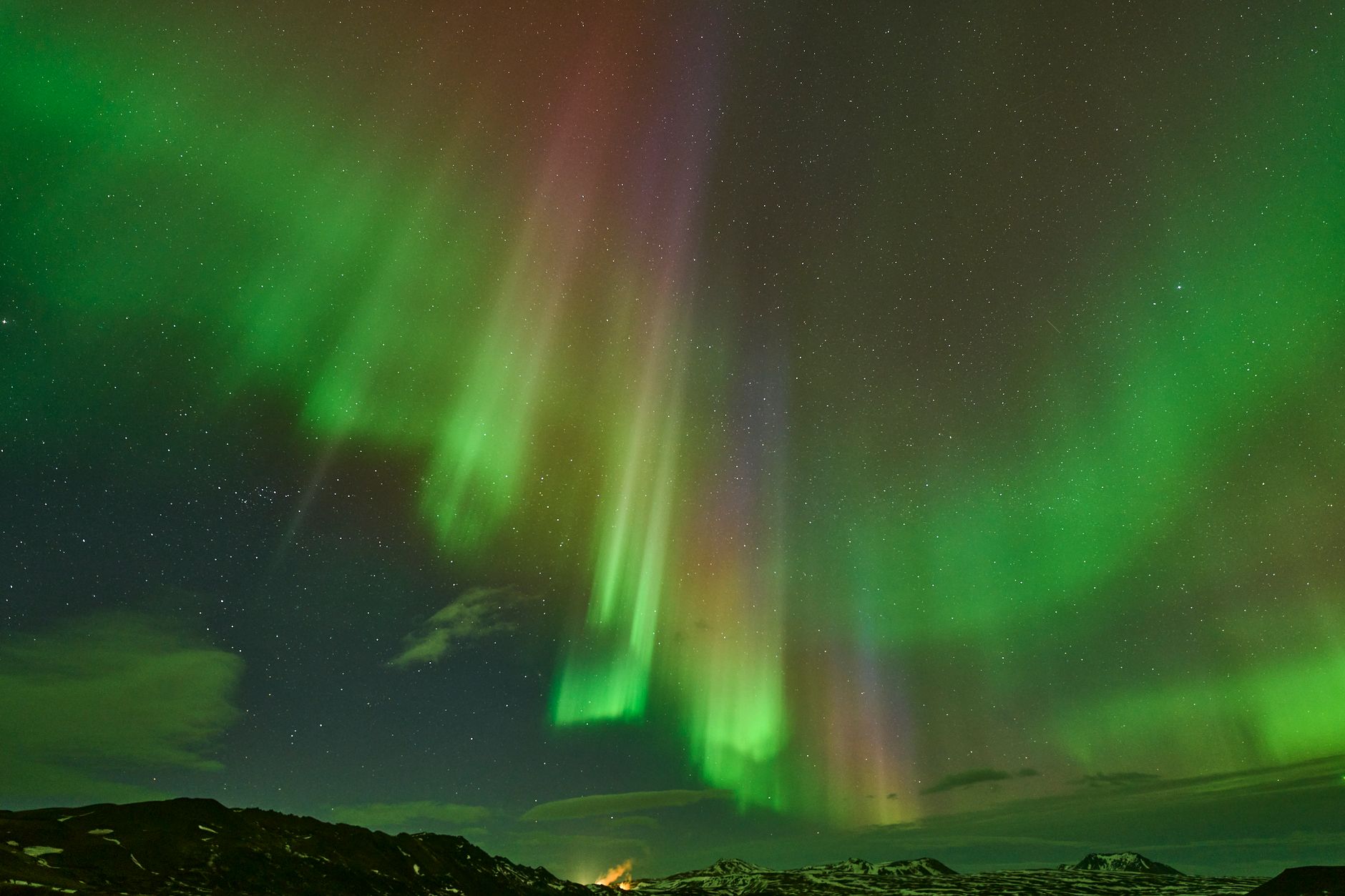
The northern lights are the main winter draw. That’s why you need dark skies to see them. Winter provides the darkness. Then, clear nights give you the best chance.
Ice caves form inside glaciers each winter. These blue crystal caves are only accessible from November to March. From there, tours take you inside these natural formations.
Crowds and Costs
Winter has fewer tourists than summer. But northern lights tours are popular. Hotels in Reykjavik stay busy. Outside the capital, you’ll find more space.
Flights can be cheaper in winter. Hotels often have lower rates. But some rural accommodations close for the season.
Weather can disrupt travel plans. For example, flights get delayed. Also, roads close in storms. That’s why a local specialist can help you build flexibility into your itinerary.
Who Winter Works For
Winter is great if you want to: – See the northern lights – Explore ice caves – Experience Iceland’s cozy culture – Avoid summer crowds – Focus on Reykjavik and the south coast – Take advantage of lower prices
Spring in Iceland (March to May)
Spring is transition season in Iceland. The weather starts warming up. Days get longer. But you still might see northern lights early in the season.
Weather and Daylight
March still feels like winter. Temperatures range from 32°F to 42°F (0°C to 6°C). Snow is possible. But by May, you’ll see 50°F to 55°F (10°C to 13°C) days.
Daylight increases quickly in spring. March has about 12 hours of light. Then, by May, you get 17 hours. Overall, this rapid change feels dramatic after the dark winter.
Weather can be unpredictable in spring. For instance, you might get snow, rain, and sunshine in one day. So, pack layers and waterproof gear.
What You Can Do
Spring opens up more of the country. Some highland roads start opening in May. But many F-roads stay closed until June.
Spring activities include: – Waterfall visits (they’re full from snowmelt) – Reykjavik exploration and city walks – South coast touring – Early season hiking on lower trails – Northern lights viewing (March and early April) – Whale watching starts in April
Waterfalls are at their most powerful in spring. That’s because snowmelt feeds them extra water. As a result, Gullfoss, Skogafoss, and Seljalandsfoss look impressive.
Crowds and Costs
Spring has moderate crowds. March is still quiet. April and May see more visitors. But it’s not as busy as summer.
Prices are lower than peak summer rates. Additionally, hotels have good availability. Also, rental cars cost less than in summer.
Some tours and accommodations have limited schedules. Rural guesthouses might not open until May. Check availability when planning.
Who Spring Works For
Spring works well if you want to: – See powerful waterfalls from snowmelt – Have moderate weather and crowds – Still catch northern lights early in season – Pay less than summer prices – Experience Iceland’s awakening from winter
Fall in Iceland (September to November)

Fall brings changing colors and northern lights return. The weather starts getting cooler and more unpredictable. But you avoid summer crowds.
Weather and Daylight
September feels like extended summer. Temperatures range from 45°F to 55°F (7°C to 13°C). Then, October gets cooler, around 40°F to 50°F (4°C to 10°C). Finally, November feels like early winter.
Daylight decreases quickly in fall. September has about 14 hours of light. Then, by November, you’re down to 7 hours. In fact, the change happens fast.
Rain and wind increase in fall. Additionally, storms become more common. So, pack good rain gear and warm layers.
What You Can Do
Fall activities include: – Northern lights viewing (starts in September) – Highland access (early fall only) – Autumn colors in the countryside – Fewer crowds at popular sites – Cozy indoor activities as weather cools – Last chance for some summer activities
The northern lights season starts in September. That’s because you need dark skies, which return as days get shorter. Overall, October and November offer good viewing opportunities.
Highland roads start closing in October. Some F-roads close earlier if weather is bad. Check road conditions before heading inland.
Crowds and Costs
Fall has fewer tourists than summer. September is still busy. October and November are much quieter.
Prices drop after summer peak season. Hotels offer better rates. Flights can be cheaper. But some rural accommodations close for winter.
Weather becomes less predictable in fall. As a result, this can affect travel plans. That’s why having a local specialist helps you adapt to changing conditions.
Who Fall Works For
Fall is perfect if you want to: – See northern lights without deep winter cold – Experience autumn colors – Avoid summer crowds – Pay lower prices than peak season – Have a mix of summer and winter activities
Shoulder Seasons: The Sweet Spot
The shoulder seasons (April-May and September-October) often offer the best balance. In fact, you get decent weather without peak crowds or prices.
Why Shoulder Seasons Work
These months give you: – Moderate weather that’s not too hot or cold – Fewer tourists at popular sites – Lower prices than peak summer – Good daylight hours – Access to most attractions
April and May work well for spring experiences. Meanwhile, September and October are great for fall colors and early northern lights.
Considerations for Shoulder Seasons
Some limitations include: – Weather can be unpredictable – Some highland roads might be closed – Limited tour schedules – Some accommodations closed – Shorter daylight hours than summer
A local travel specialist can help you make the most of shoulder season timing. They know which activities work best and how to plan around weather changes.
Choosing Based on Your Travel Style
Different types of travelers prefer different seasons. Here’s how to match your style with the right time:
For Families
Summer (June-August) works best for families. First, the weather is mild. Also, days are long. Additionally, all attractions are open. Most importantly, kids can enjoy outdoor activities without extreme cold.
Spring (May) can also work for families with older children. The weather is getting warmer. But pack extra layers for temperature changes.
For Couples
Any season can work for couples, depending on what you want: – Summer for hiking and outdoor activities – Winter for cozy northern lights experiences – Spring for romantic waterfall visits – Fall for quiet, intimate travel
For Luxury Travelers
Luxury travelers often prefer shoulder seasons. That’s why you get better service with fewer crowds. Also, hotels have more availability. And you can enjoy both indoor and outdoor experiences.
Winter can also work well for luxury travel. Cozy hotels, spa experiences, and unique winter activities create special memories.
For People Who Like Adventure
Summer is good for serious outdoor activities. First, all hiking trails are open. Next, highland roads are accessible. Finally, you can camp and explore far-away areas.
Winter offers different activities like ice climbing and glacier exploration. But these need more specialized gear and guides.
Planning Your Iceland Trip
Once you pick your season, a local travel specialist can help you plan the details. That’s because they understand how weather affects different activities. Additionally, they know which months work best for what you want to see.
Travel conditions can change — we recommend confirming details with a local specialist before your trip. They can adjust your plans based on current conditions and forecasts.
Weather in Iceland changes quickly any time of year. Having local knowledge helps you make the most of your time, regardless of when you visit.
Frequently Asked Questions
What is the cheapest time to visit Iceland?
Winter months (January-March) typically have the lowest prices for flights and hotels. Fall (October-November) also offers good deals. Summer is the most expensive time to visit.
When can you see the northern lights in Iceland?
Northern lights season runs from September to March. The best months are October through February when nights are darkest. You need clear skies and minimal light pollution for the best viewing.
Is Iceland worth visiting in winter?
Yes, winter offers unique experiences like northern lights, ice caves, and cozy cultural activities. The weather is milder than many expect. But you’ll have limited daylight and some attractions may be closed.
What should I pack for Iceland?
Pack layers for any season. Also, waterproof jacket and pants are essential year-round. In summer, bring light layers and hiking gear. In winter, add warm base layers, hat, and gloves. Finally, good waterproof boots work for all seasons.
How far in advance should I book my Iceland trip?
For summer travel, book 3-6 months ahead for best selection and prices. Winter trips can be booked 1-3 months in advance. Shoulder seasons offer more flexibility, but popular accommodations still fill up early.